Emergency gardeners Snaresbrook same day storm cleanup: fast help when your garden takes a beating
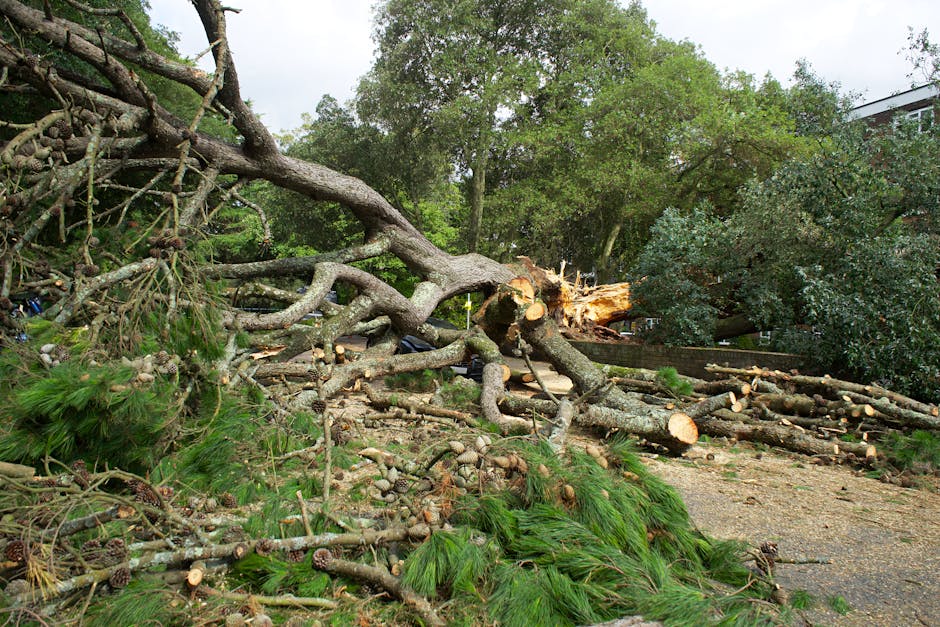
Storm damage in a garden has a way of turning an ordinary morning into a bit of a mess. One minute the fence is standing, the next there's a branch across the path, a toppled pot, broken stems, and a lawn that looks like it has been through a rough night. If you are looking for Emergency gardeners Snaresbrook same day storm cleanup, you probably do not need a lecture. You need calm, practical help, quickly.
This guide explains what same-day storm cleanup actually involves, what emergency gardeners can safely handle, how the process usually works, and how to decide what should be dealt with right away. It also covers the little details people often overlook: safety, access, waste removal, trees, fences, patios, and the difference between tidy-up work and more serious repair. Truth be told, that distinction matters more than most people think.
If you want a broader look at the kind of support available after rough weather, the site's gardening services page is a useful place to understand the overall scope. And if you are already in the middle of a storm-related problem and need to speak to someone, you can also use the contact page when you are ready.
Table of Contents
- Why same-day storm cleanup matters
- How the emergency cleanup process works
- Key benefits and practical advantages
- Who this is for and when it makes sense
- Step-by-step guidance
- Expert tips for better results
- Common mistakes to avoid
- Tools, resources and recommendations
- Law, compliance and best practice
- Options, methods and comparison
- Case study or real-world example
- Practical checklist
- Conclusion
- Frequently asked questions
Why Emergency gardeners Snaresbrook same day storm cleanup Matters
After a storm, garden damage is rarely just cosmetic. A broken branch can block a driveway. Loose fencing can become a hazard in the wind. Waterlogged borders can smother roots if debris stays in place too long. A bent tree or split stem can worsen fast, and yes, sometimes by the next hour rather than the next day.
Same-day storm cleanup matters because the first few hours after bad weather are when you can stop small problems becoming bigger, more expensive ones. In Snaresbrook, where gardens often sit close to boundaries, paths, and neighbouring properties, one damaged section can affect access or even safety for more than one household. If a tree limb is hanging awkwardly, it is not just untidy. It is unpredictable.
There is also the practical side. Mud gets tracked onto patios, broken material spreads, and garden waste piles up faster than anyone wants to deal with. A prompt response helps bring the space back under control, which matters if you need the garden usable again for children, pets, deliveries, or simply getting to the back gate without stepping over debris. You know the sort of thing.
Expert summary: Storm cleanup is not just about making a garden look neat again. It is about reducing risk, protecting plants and structures, restoring access, and deciding what needs urgent action versus what can wait for a fuller repair visit.
For homeowners who already rely on structured upkeep, this sort of response fits neatly alongside regular garden maintenance, but the urgency is very different. Emergency work is about stabilising the situation first.
How Emergency gardeners Snaresbrook same day storm cleanup Works
Same-day storm cleanup usually follows a fairly clear sequence, even if the weather itself has been chaotic. A good team will start by assessing the site, identifying hazards, and deciding what can be safely removed immediately. That may sound obvious, but in practice it saves time and avoids rushed decisions.
Typically, the process begins with a quick phone assessment. The gardener or team will want to know what happened, when it happened, and whether there are any immediate risks such as blocked access, fallen branches, unstable fencing, damaged decking, or a tree leaning where it should not be. A good description from you helps them turn up with the right tools. Photos can help too. A quick shot of the worst area often tells the story better than a long explanation.
Once on site, the priority is usually to make the area safe. That may involve removing loose branches, clearing debris from paths, tying back broken growth, lifting lightweight fallen items, and separating what can be salvaged from what needs disposal. More serious issues, especially anything involving trees or structural damage, may require specialist attention rather than a general tidy-up.
In many cases, emergency gardeners will also help with temporary stabilisation. For example, they may secure a broken gate, reduce pressure on a damaged hedge, or cut back snapped growth that is dragging a plant down. It is not a full renovation, and it should not pretend to be. It is a rapid recovery step.
If the storm has also left your outdoor surfaces grimy, slippery, or covered in organic residue, that can be dealt with as part of the broader clean-up. A lot of people are surprised by how much a cleared path changes the whole feel of the space. One small stretch of usable paving can make a huge difference.
Related services sometimes come into the picture depending on what the storm has done. For example, if patio slabs have picked up heavy dirt or leaf staining, patio cleaning may follow once the immediate hazards are cleared. If the issue is more about boundary damage, fencing repairs may be part of the next conversation. And if large branches or trees are involved, tree surgery is often the safer route.
Key Benefits and Practical Advantages
The main advantage of same-day storm cleanup is simple: it helps you regain control quickly. But there are a few deeper benefits worth spelling out.
- Faster hazard reduction: broken branches, slippery debris, and loose objects are removed before they cause more trouble.
- Less secondary damage: leaves, soil, and standing water can be dealt with before they start affecting borders, paving, or lawn areas.
- Better plant recovery: damaged stems are handled carefully so remaining plants are less likely to suffer additional stress.
- Cleaner access: paths, gates, side returns, and garden entrances become usable again much sooner.
- Clearer next steps: you can see what is an emergency clean-up issue and what is a repair or restoration issue.
There is also a psychological benefit, and it is not trivial. A storm-damaged garden can feel oddly overwhelming. Everything looks louder in the aftermath: snapped branches, scattered mulch, a broken container lying sideways like it has given up. Getting that first response done quickly can calm the whole situation down. You breathe easier, then you can think more clearly about what comes next.
For many households, same-day storm cleanup is also about protecting routines. Maybe you need the back gate for bins. Maybe the children use the garden every afternoon. Maybe the dog has a habit of launching itself at the mess, which is never ideal. The practical value is often bigger than the visual one.
If your priority after the storm is to rebuild a usable outdoor space rather than just tidy the mess, it may help to look at wider support such as landscaping or even a more comprehensive gardening services visit once the immediate clean-up is done.
Who This Is For and When It Makes Sense
Emergency storm cleanup is not only for dramatic disasters. In fact, most callouts are for very ordinary-looking damage that still needs quick attention. If you have ever looked outside after heavy wind and thought, "That's going to need sorting today," then you are exactly the sort of person this service is for.
It makes sense for:
- homeowners with fallen branches or scattered debris
- landlords preparing a property after severe weather
- families who need a safe garden for children or pets
- older residents who do not want to move heavy or awkward material
- busy people who simply cannot spend half the day clearing a blown-over garden
- anyone with damaged hedging, fencing, or access routes
It is also sensible if the storm has exposed a weakness that was already there. A hedge that had started leaning, for example, may now be worse after wind pressure. A tree that had deadwood in the canopy may have lost a limb. A patio with poor drainage may now hold water in the wrong places. Storms have a habit of revealing weak points, not creating them from nowhere.
There is a common misconception that you should wait for things to dry out before calling for help. Sometimes that is true, but not always. If there is a safety risk, waiting can be the wrong move. If you are unsure, ask for an assessment. Better to feel slightly cautious than quietly reckless, as the saying goes.
Step-by-Step Guidance
If you are dealing with storm damage and want the fastest, most sensible outcome, here is the practical sequence to follow.
- Check for immediate danger. Look for hanging branches, fallen power lines, unstable fences, or anything blocking access. If it feels unsafe, do not walk into the area.
- Take a few photos from a safe distance. These help the gardener understand the extent of the damage before arrival. It also helps if you need to compare before-and-after conditions later.
- Clear people and pets from the affected zone. A snapped stem may look harmless, but unstable debris can shift unexpectedly.
- Contact the team and explain the main issue. Mention whether it is branches, fences, damaged beds, blocked pathways, or all of the above.
- Prioritise access and hazards. Ask for the most urgent items to be tackled first, especially if you need gates, side entrances, or driveways opened up.
- Separate what is salvageable. Healthy plants, usable pots, and reusable timber can often be protected if they are identified early.
- Decide whether follow-up work is needed. Some jobs end with a tidy site. Others move into pruning, repair, replanting, or structural work.
That process sounds simple enough, and in fair weather it is. After a storm, though, people often jump straight to tidying the obvious mess and miss the hidden bits. A cracked fence post, for instance, can look stable right up until the next gust. That is why a proper walkthrough matters.
If your storm damage has also affected hedges, a carefully planned follow-up may involve hedge trimming in Snaresbrook once everything is safe and settled. And if you want to understand how a larger maintenance schedule could prevent repeat issues, the article on building resilience in your garden against weather is genuinely worth a look.
Expert Tips for Better Results
Over the years, one thing becomes very clear: the best storm cleanup jobs are the ones where the homeowner gives a little context and the garden team arrives ready to think, not just sweep. A few habits make a real difference.
- Be specific about access: Mention side gates, steps, narrow paths, or anything awkward to carry through.
- Point out what matters most to you: It might be the lawn, a vegetable patch, a seating area, or a favourite shrub you want saved if possible.
- Keep one safe route open: If the garden is cluttered, try not to block every entrance. One clear route helps the work move faster.
- Ask about waste handling: Large storm debris can add up quickly, so it is helpful to know what will be removed and what stays on site.
- Think in layers: first safety, then access, then appearance, then longer-term repair.
A small but useful tip: if you suspect a tree limb is under tension, do not pull it free yourself. It can spring or shift in ways that are surprisingly forceful. Even a short branch can behave badly when twisted. Not glamorous advice, I know, but it matters.
Another good move is to keep a basic garden photo record in calmer weather. It sounds fussy, yet it helps you spot what the storm changed. The difference between "always looked like that" and "that's new damage" becomes much clearer when you have a reference.
And one more thing: storm cleanup is often the right moment to reassess whether some parts of the garden are just not weather-friendly. Dense planting in a wind tunnel, loose edging, weak supports, or tall containers in exposed positions may need rethinking. The storm might have done you a favour, awkward as that sounds.
Common Mistakes to Avoid
People usually do their best after a storm, but rushed decisions can make the mess harder to solve. These are the mistakes we see most often.
- Trying to move heavy branches alone: This is how people strain backs, trap fingers, or worsen a damaged plant.
- Cutting tree limbs without checking stability: If a branch is loaded or partially split, cutting the wrong section can make it fall unpredictably.
- Ignoring hidden damage: Bent supports, cracked posts, and loosened fixings often get missed when the surface clutter is removed quickly.
- Letting wet debris sit too long: It can compact soil, mark paving, and smother low-growing plants.
- Assuming all storm work is the same: A tidy-up, a repair, and a tree safety issue are not interchangeable.
- Choosing speed over safety: Same-day work should still be careful work. If a method feels rushed, ask questions.
There is also a subtler mistake: waiting for everything to be perfect before calling. Sometimes people want to sort the easy bits themselves and only then bring in help. Fair enough, but if the pile includes anything awkward, unstable, or time-sensitive, calling sooner often saves time overall.
For a lot of gardens, post-storm recovery eventually leads into longer-term care. That may include lawn care if the turf has been compacted or scraped, or even some light redesign work if the layout made the damage worse than it needed to be.
Tools, Resources and Recommendations
Emergency gardeners do not rely on luck. They bring the right equipment for safe removal, cutting, clearing, and disposal. The exact toolkit depends on the job, but the principle is the same: use the least aggressive method that gets the area safe and tidy.
Useful tools and materials often include:
- pruning tools for snapped or damaged growth
- gloves with good grip
- protective eyewear where cutting is involved
- tarpaulins or sheets for moving debris without scattering it
- brooms, blowers, and rakes for surface clearance
- tension ties or temporary supports for vulnerable shrubs and climbers
- waste bags or collection containers for smaller debris
For homeowners, the best "resource" is often a realistic expectation. Same-day cleanup is there to stabilise and restore. It is not always a complete garden makeover, and that is fine. If you want a broader refresh after the storm, there are plenty of ways to build on the clean-up later, whether that means starting a garden makeover or making small improvements that are low-cost and sensible.
If your garden leans heavily on planting structure, a few related reads can help with future resilience: sheltering gardens from strong winds, winter plant protection, and soil recovery through organic material.
Law, Compliance, Standards, or Best Practice
Storm cleanup sits in a practical world where safety and care matter more than flashy promises. In the UK, the main thing to keep in mind is that anyone working on your garden should act responsibly around hazards, use safe working methods, and avoid creating new risks while clearing the old ones.
That means sensible checks before cutting, careful handling of unstable trees or branches, and proper attention to access routes and surrounding property. If a tree appears seriously compromised, it is better treated as a safety issue first and a gardening issue second. No one wins points for bravery with a saw and a bad idea.
Good practice also includes clear communication about what will be done, what will not be done, and whether specialist work is needed. A respectable approach is not about promising to fix everything in one visit. It is about knowing the boundary between cleanup, repair, and specialist intervention.
Insurance and liability are worth considering too. If storm damage has affected structures, fencing, or a tree near a boundary, you may need to understand your own responsibilities as well as those of any contractor. For a clearer overview of the site's approach to safe working, see the health and safety policy and the insurance and safety information.
If money, payment, or terms matter before you book, it is worth checking the practical pages on pricing and quotes, payment and security, and terms and conditions. That is the boring bit, yes, but it saves confusion later.
Options, Methods, or Comparison Table
Not every storm-damaged garden needs the same response. Sometimes a light clean-up is enough. Sometimes you need removal, support, or a follow-up repair. Here is a simple comparison to help you see the difference.
| Option | Best for | What it usually includes | Typical outcome |
|---|---|---|---|
| Rapid tidy-up | Light debris, scattered leaves, minor plant damage | Raking, sweeping, gathering small waste, basic shaping | Garden looks usable again quickly |
| Same-day emergency cleanup | Blocked paths, fallen branches, unsafe clutter, damaged borders | Hazard removal, clearance, temporary stabilisation, access restoration | Immediate safety and control |
| Specialist follow-up | Compromised trees, broken fencing, structural garden damage | Tree work, repairs, boundary restoration, deeper assessment | Longer-term fix after the urgent issue is dealt with |
| Recovery and redesign | Repeated weather damage or poor garden layout | Replanting, support systems, layout improvements, better materials | More resilient garden over time |
To be fair, most real jobs move between these categories. A callout might begin as a cleanup and end with a recommendation for hedge support, lawn recovery, or a stronger fence line. That is normal. The key is not to force every problem into one basket.
Case Study or Real-World Example
Here is a simple real-world style example based on the sort of job that comes up after heavy wind. A front garden in Snaresbrook had a fallen branch across the access path, a toppled planter near the doorstep, and several shrubs flattened toward one side. The homeowner could still open the front gate, but only just, and there was a bit of panic about whether the branch had also damaged the neighbouring fence.
The response focused first on safety and access. The branch was cut into manageable pieces, the planter was lifted and cleared, and smaller debris was gathered so the path could be used again. Then the surrounding shrubs were checked for snapped stems and tied where possible to reduce further strain. The fence was inspected and found to be sound, which was a relief. Nobody wants storm damage to come with extra surprises.
What made the biggest difference was not heroic labour. It was the sequence. First the hazard, then the access, then the tidy-up, then the decision about what needed another visit. By the end, the garden was not perfect, but it was safe, readable, and much less stressful to look at. And that counts for a lot on a windy Monday morning.
That sort of outcome is often the real goal of same-day cleanup: not perfection, just a garden that feels under control again.
Practical Checklist
Use this quick checklist if you are dealing with storm damage and want to move in a sensible order.
- Check for immediate danger before stepping into the garden
- Keep children and pets away from unstable areas
- Photograph the damage from a safe distance
- Note any blocked entrances, gates, or paths
- Identify obvious hazards such as hanging limbs or loose fencing
- Decide what must be cleared today and what can wait
- Tell the team about access issues and fragile areas
- Ask whether waste removal is included or arranged separately
- Set aside any plants or items you want to keep if possible
- Book follow-up work if the damage is more than a cleanup
If the garden has been battered more than once, it may be worth reviewing long-term protective ideas too. The article on building resilience against weather is a useful companion piece, especially if you want fewer storm headaches next time.
Get a free quote today and see how much you can save.
Conclusion
Storm damage in a garden is never just a visual issue. It affects safety, access, plant health, and sometimes the way you feel about the whole outdoor space. That is why Emergency gardeners Snaresbrook same day storm cleanup is such a practical service: it gets you from chaos to control without making you wait around while the mess gets worse.
The best results come from clear priorities. Deal with hazards first. Restore access. Separate urgent cleanup from longer-term repair. And if the damage is more serious than a tidy-up, treat that as useful information rather than bad luck. You are simply working from the facts in front of you.
Whether the storm left behind branches, broken fencing, damaged hedges, or a muddy path that now looks suspiciously like a swamp, there is usually a sensible next step. Start with the emergency, then build back from there. One solid move at a time. That's how gardens recover, and honestly, it is how people do too.
Frequently Asked Questions
What does emergency storm cleanup usually include?
It normally includes urgent debris removal, branch clearing, access restoration, basic plant stabilisation, and making the garden safe to use again. If larger repairs are needed, those are usually handled separately.
How quickly can same-day storm cleanup happen in Snaresbrook?
Same-day response depends on workload, weather conditions, and the size of the job. If the issue is urgent and access is clear, a prompt visit is often possible. The earlier you call, the better.
Can emergency gardeners remove fallen branches from a path or driveway?
Yes, that is one of the most common jobs. Branches blocking access are usually prioritised because they can create a safety issue and prevent normal use of the property.
Do I need to wait until the wind has completely stopped?
Usually, yes, if the area is still unsafe. But if there is serious danger, such as a hanging branch or blocked access, speak to a professional as soon as you can and avoid entering the risky zone yourself.
What should I do before the gardener arrives?
Take photos if it is safe, keep pets and children away from the damaged area, and make note of anything that is unstable or blocking access. Try not to move heavy debris yourself if it feels risky.
Can storm cleanup include fencing or tree-related problems?
It can include inspection and minor stabilisation, but serious fence repair or tree work may need follow-up. If a tree is involved, specialist tree surgery is often the safer route.
Will the cleanup remove garden waste too?
In many cases, yes, though it is always sensible to confirm this in advance. Some jobs include waste clearance as part of the visit, while larger volumes may be handled separately.
Is same-day cleanup the same as garden maintenance?
No. Garden maintenance is planned, routine work. Same-day storm cleanup is reactive and safety-led. The pace, priorities, and methods are different.
What if my patio or paths are slippery after the storm?
That is worth treating as a safety concern. Clearing debris and then arranging patio cleaning can help restore grip and reduce the chance of slips.
How do I know whether I need a cleanup or a full repair?
If the problem is mostly loose debris, broken stems, or blocked access, cleanup may be enough. If there is structural damage, a leaning tree, or fence failure, you may need repair or specialist work as well.
Can storm cleanup help protect my garden from future damage?
Yes, indirectly. Once the immediate mess is dealt with, you can spot weak points more clearly. That often leads to better staking, pruning, boundary support, and smarter planting choices for the future.
What is the safest first step if I'm not sure how bad the damage is?
Stay out of the risky area, take a look from a safe distance, and describe the issue as clearly as you can when asking for help. If anything seems unstable, treat it as a hazard first and a gardening job second.