Wanstead Flats Garden Makeover Case Study Local Gardeners Job: A Practical Local Transformation Guide
If you are looking into a Wanstead Flats garden makeover case study local gardeners job, you are probably trying to answer a few real questions at once: what can be done, how much work is involved, who should do it, and whether the result will actually suit a typical East London garden. Fair enough. A garden near Wanstead Flats often needs a thoughtful approach rather than a glossy one-size-fits-all design.
This guide walks through a realistic makeover process from first visit to final tidy-up. It explains the practical decisions local gardeners make, the kinds of problems that usually show up in older gardens, and how to judge whether a makeover is worth doing now or in stages. You will also find a clear checklist, a comparison table, and a grounded example of how a job like this is usually handled on the ground. No fluff. Just useful detail.
Expert summary: A good garden makeover is not about doing everything at once. It is about removing what is getting in the way, fixing the structure, improving the hard-wearing areas, and then building in planting and maintenance that the owner can actually keep up with.
Table of Contents
- Why a Wanstead Flats garden makeover matters
- How the makeover process works
- Key benefits and practical advantages
- Who this is for and when it makes sense
- Step-by-step guidance
- Expert tips for better results
- Common mistakes to avoid
- Tools, resources and recommendations
- Law, compliance, standards and best practice
- Options, methods and comparison table
- Case study or real-world example
- Practical checklist
- Conclusion
- Frequently asked questions
Why Wanstead Flats garden makeover case study local gardeners job Matters
Wanstead Flats sits in a part of London where homes often come with gardens that have been lived in for years, not staged for a brochure. That matters because a makeover in this setting has to solve real use problems: muddy patches, tired lawn edges, awkward boundaries, overgrown shrubs, poor drainage, and spaces that never quite felt finished.
A case study is useful because it shows the thinking behind the work, not just the before-and-after photo. You can see what was prioritised, what was left alone, and why. That is especially helpful if you are comparing local gardeners job quotes and trying to work out whether one team is proposing sensible work or just listing every service in the book. Let's face it, not every garden needs a full redesign.
For local homeowners, landlords, or people preparing a property for sale, the value is in making the outside space easier to use and easier to maintain. A well-planned makeover can improve kerb appeal, create privacy, reduce ongoing hassle, and make a small garden feel less cramped. It can also reveal hidden issues early, which is handy before they turn into bigger problems.
There is also a local context to think about. East London gardens can be shaded, exposed to footfall, or shaped by narrow access. That changes how materials are moved, how waste is cleared, and what planting will actually thrive. A good local team will notice those things quickly. Or they should, anyway.
How Wanstead Flats garden makeover case study local gardeners job Works
A proper garden makeover usually starts with a site assessment. The gardener or landscaping team looks at what is already there, what is broken, what is overgrown, and what the owner wants to change. In practice, the first conversation is often less about "design" and more about priorities: do you want more seating, a better lawn, tidier boundaries, safer access, or lower maintenance?
From there, the job is normally split into phases. That can include clearance, pruning, lawn repair, new edging, patio cleaning, fencing, planting, and sometimes timber features such as decking. If the garden is cluttered, the team may begin with garden clearance to get the space back to a workable blank slate before any detailed improvements start.
Once the space is cleared, the team can measure properly and identify the right sequence of work. A lot of good results come from getting the order right. For example, there is no point laying out new beds before a boundary issue is fixed, and there is no sense in installing a new lawn if the ground still needs levelling or drainage improvement. Simple, but easy to get wrong.
A practical makeover also uses the right mix of specialist services. A team might combine landscape gardening for the overall layout, lawn care for turf recovery, and patio cleaning if the hard landscaping is being refreshed rather than replaced.
If the project includes boundaries, screening, or safer pet-friendly edges, the team may also recommend fencing. If there are low branches, dead wood, or tree-related safety issues, then tree surgery or tree lopping and removal may be part of the plan. Those decisions should be made carefully, not guessed at on the day.
Key Benefits and Practical Advantages
The biggest benefit of a local makeover is that it makes the garden easier to live with. That sounds obvious, but it is the part people often value most after the job is finished. A good makeover should reduce the chores that keep building up and turn the garden into somewhere you want to use, not just look at through the window.
- Better layout: walkways, seating zones, and planting beds feel intentional rather than pieced together.
- Lower maintenance: less trimming, less moss, fewer awkward corners, fewer jobs you keep putting off.
- Improved drainage and access: especially useful where older gardens have sunk, pooled, or become slippery.
- Stronger first impression: useful for resale, rental presentation, or simply enjoying a tidier view.
- More privacy and structure: a mix of screening, borders, and boundaries can make the space feel calmer.
There is also a quieter benefit that does not always get mentioned: a refreshed garden tends to be used more. People sit outside more often, open the back door more often, and notice the space as part of the home rather than as a chore. That is real value, even if it is hard to put into neat numbers.
Where the work is done by experienced local gardeners, you also tend to get better judgement on what can be saved. A tired lawn may only need repair and feeding, not replacement. A shrub border may need reshaping, not ripping out. That kind of restraint can save money and keep the garden feeling established rather than overworked.
Who This Is For and When It Makes Sense
This kind of project suits anyone with a garden that has got away from them a bit, or has never quite functioned properly. In plain English: if the space feels cluttered, patchy, or awkward to use, a makeover may be the right move.
It is particularly useful for:
- homeowners who want a more usable outdoor space without starting from scratch
- landlords preparing a property for new tenants
- people selling a home and wanting a cleaner visual presentation
- busy households that need a lower-maintenance layout
- owners of small or narrow gardens that need smarter use of space
It also makes sense when a garden has a mixture of issues rather than one single problem. For example, the lawn may be weak, the fence may be tired, and the patio may be stained. Tackling each bit separately can drag on. A structured makeover can be more efficient and, in many cases, less stressful. You know what is being done, when, and why.
Sometimes the best timing is seasonal. Spring and early autumn are often good windows for visible improvement work, but the actual timing depends on access, weather, and the kind of planting or construction involved. Winter can be productive for clearance and hard landscaping too, as long as the ground conditions are workable. A decent local team will say so honestly.
Step-by-Step Guidance
If you are planning a Wanstead Flats garden makeover, it helps to think in stages. A reliable process keeps the work controlled and avoids that slightly chaotic feeling where everyone is digging, trimming, and shifting materials before the plan is clear.
- Initial walkthrough: identify what is staying, what is going, and what must be fixed first.
- Measure and inspect: check access, boundaries, levels, drainage, sunlight, and any problem areas.
- Clear the space: remove waste, old growth, dead material, and anything blocking the redesign.
- Prioritise structural work: handle fencing, edging, paving, decking, or tree-related issues before soft planting.
- Repair the ground: improve soil, level surfaces, and treat weak lawn areas if needed.
- Install or refresh hard features: paths, patios, screening, or seating zones go in at this stage.
- Plant and finish: add shrubs, borders, lawn finishing, and tidy detail work.
- Aftercare plan: agree what maintenance is needed in the first few weeks and months.
One practical point: if the job includes significant overgrowth, it is usually better to start with clearance and pruning than to jump straight to decorative work. It sounds obvious, but people skip this and then wonder why the new planting looks lost or the lawn still feels cramped.
Another point worth making is that not every makeover needs to happen in one visit. A phased approach can be smarter, especially if the budget is tight or the garden has multiple layers of work. There is no shame in that. In fact, it often leads to a better result because decisions are made with a clearer view of the space.
Expert Tips for Better Results
Good gardeners tend to focus on the basics first. Fancy details are nice, but they should sit on top of a stable plan. Here are a few tips that make a real difference.
- Start with the way you use the garden. If you eat outside, prioritise seating and surface quality. If you have children or pets, think about durability and safe movement.
- Keep maintenance realistic. A high-input planting scheme may look lovely on day one and become a headache by month three. Be honest about how much time you actually have.
- Match the style to the house. A neat suburban terrace usually benefits from structure and clean lines more than a heavily ornamental setup.
- Use repetition in planting. Repeating a few well-chosen plants often looks better than cramming in too many different species. Less is sometimes more, frankly.
- Think about sightlines. What do you see from the kitchen door, the back room, or the main seating area? That view carries a lot of the emotional weight.
If a job includes regular care after the makeover, discuss garden maintenance from the outset. A polished design can fade fast if it is not supported by a simple upkeep plan. That is where the long-term value lives.
To be fair, one of the most useful expert habits is simply slowing down at the start. A five-minute pause before the first cut can save a lot of backtracking later. It is not glamorous, but it works.
Common Mistakes to Avoid
A garden makeover can go sideways for fairly ordinary reasons. Not dramatic reasons. Just avoidable ones. Here are the most common mistakes local homeowners and even some contractors make.
- Skipping the clearing stage: if you redesign over clutter, you end up designing blind.
- Choosing materials before solving layout problems: the sequence should be function first, finishes second.
- Ignoring access: narrow side passages, shared routes, and disposal logistics matter more than people expect.
- Overplanting: too many species can make a garden feel busy and become harder to maintain.
- Forgetting aftercare: fresh turf, newly planted beds, and trimmed shrubs all need a settling-in period.
- Hiring without checking insurance and process: you want someone who takes safety and waste handling seriously.
Another common mistake is trying to turn a local practical job into a luxury showcase. If the garden and budget say "simple, robust, tidy", then forcing in elaborate features can look out of place. Sometimes a clean lawn, sharp borders, and one good seating area are enough. Honestly, that is often the nicest result.
Tools, Resources and Recommendations
The exact tools depend on the scope, but a well-run local gardeners job usually involves a mix of clearance, cutting, levelling, and finishing equipment. The point is not the gear itself. The point is whether the team brings the right gear for the right stage of the job.
Common practical resources include:
- hand tools for edging, pruning, and fine tidying
- cutting and trimming equipment for hedges, shrubs, and rough growth
- waste bags, grabbers, and collection containers for clearance work
- levelling tools for lawns, paths, and seating areas
- cleaning equipment for patios, paving, and hard surfaces
For homeowners comparing service options, it is sensible to look at whether the provider can cover the full workflow. For example, if the work needs lawn mowing, border reshaping, and debris removal, you want that to be coordinated rather than treated as separate disconnected tasks.
Where the garden includes taller shrubs, boundary hedging, or dense growth, hedge trimming can help re-establish shape before any new design is added. If the job requires more than trimming and clearing, a broader gardening services approach may be more efficient than hiring piecemeal. That is especially true for larger or more mixed gardens.
If you are checking service quality, trust signals matter. A team with clear information on who they are, straightforward pricing and quotes, and transparent insurance and safety details usually feels a lot more dependable from the start.
Law, Compliance, Standards and Best Practice
For a garden makeover in London, the practical compliance side is usually about safety, waste handling, and acting responsibly around structures, trees, and access. The exact legal requirements can vary depending on the work, so it is wise to treat this as a checklist, not a shortcut.
Best practice typically includes the following:
- Safe working methods: tools should be used properly, and the site should be managed to reduce trip, cut, and lifting risks.
- Clear responsibility for waste: garden waste, old timber, and removed materials should be handled in line with normal recycling and disposal expectations.
- Care around trees and boundaries: tree work should be approached cautiously, especially where branches overhang properties or affect neighbours.
- Respect for neighbours and access routes: shared spaces, noise, and parked vehicles can matter on local streets.
- Written terms where appropriate: scope, timing, inclusions, and payment expectations should be understood before work starts.
If you want reassurance on operational standards, it is sensible to review a provider's public policies, including health and safety policy, recycling and sustainability approach, and terms and conditions. That does not make the job magical, of course, but it does tell you the business takes the boring but important parts seriously. And boring is good when it comes to safety.
Options, Methods and Comparison Table
When planning a makeover, most people end up choosing between a light refresh, a phased improvement, or a full redesign. None is automatically better. It depends on the garden's condition, your budget, and how much change you actually want.
| Approach | Best for | Typical advantages | Trade-offs |
|---|---|---|---|
| Light refresh | Gardens that are mostly sound but tired | Quick improvement, lower disruption, lower cost pressure | Won't solve deeper layout or structural issues |
| Phased makeover | Gardens with a mix of issues and a moderate budget | Flexible, manageable, easy to prioritise | Can take longer to complete overall |
| Full redesign | Gardens that are severely overgrown, poorly laid out, or failing functionally | Most dramatic improvement, best for complete rethinking | More disruption, more decisions, usually the biggest investment |
In many Wanstead Flats area jobs, a phased makeover is the sweet spot. It lets the team clear and stabilise the space first, then decide whether the garden really needs more ambitious changes. That kind of pacing is calmer for the homeowner too. Less rushed. Less "let's just do everything" energy.
If you are comparing methods, ask yourself one simple question: do you want the garden to look better, or do you want it to work better? Ideally both, but the answer helps decide where the money should go first.
Case Study or Real-World Example
Here is a realistic example of the kind of local job people mean when they search for a Wanstead Flats garden makeover case study local gardeners job. It is not a fairy tale transformation. Just a practical one.
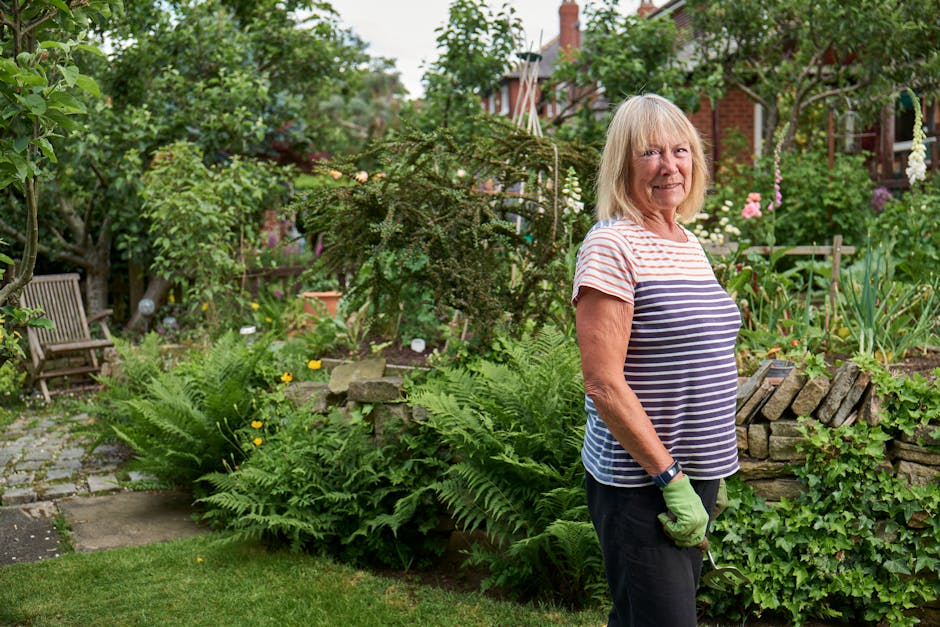
A typical rear garden in the area might begin with heavy seasonal growth, a tired lawn, a stained paved section, and a few boundary issues that make the space feel smaller than it is. The owner wants somewhere neater for family use, plus less work each weekend. Nothing extravagant. Just a garden that feels like part of the house again.
The first visit would usually focus on access and priorities. What can be cut back safely? What should be removed? Is the lawn salvageable? Is the patio worth cleaning or should it be replaced later? Once that is clear, the job might start with clearance and pruning, then move into surface cleaning, edging, and lawn improvement. If the edges are sagging or the boundaries feel weak, the team may add fencing work as part of the same plan.
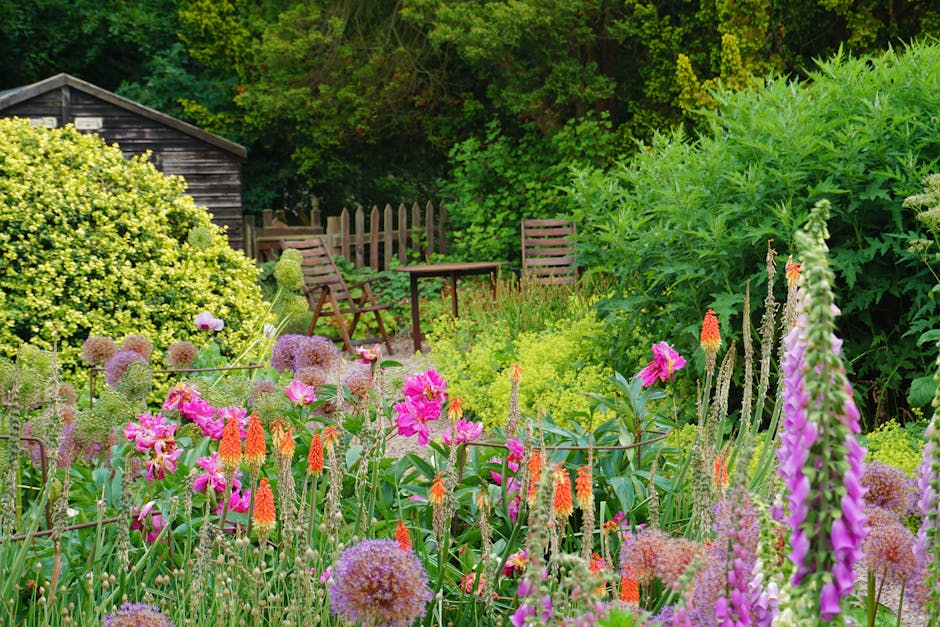
In a case like this, the biggest improvement often comes from rhythm and proportion rather than expensive features. A tidier line along the boundary, a cleaner lawn shape, and a refreshed seating area can change the whole feel of the space. When that happens, the garden stops looking like a backlog. It starts looking usable. That is the moment most people notice first.
Sometimes the end result is not dramatic in the glossy sense. But it is better. Better to maintain, better to sit in, better to look at from the kitchen on a wet Tuesday morning. And that, frankly, is what most local jobs are really about.
Practical Checklist
Use this before you book or begin the work.
- Decide whether you want a refresh, phased makeover, or full redesign.
- Walk the garden and list the biggest pain points in order of urgency.
- Check access for tools, materials, and waste removal.
- Identify any tree, hedge, fence, lawn, or patio issues that may affect the plan.
- Ask how clearance, disposal, and tidying will be handled.
- Confirm what is included in the quote and what is optional.
- Ask about safety, insurance, and the provider's working process.
- Think ahead about maintenance after the makeover.
- Keep a few "must have" features and a few "nice to have" ideas separate.
- Leave room for sensible judgement from the gardener or landscaper.
If you want a smoother start, it helps to have photos of the garden in daylight, plus a quick sketch or list of priorities. Nothing fancy. A few notes are enough.
Get a free quote today and see how much you can save.
Conclusion
A strong Wanstead Flats garden makeover is rarely about a single dramatic gesture. It is usually the sum of good decisions: clear the right things, keep the useful structure, fix the surfaces, and choose planting and finishes that match real life. That is what makes a local gardeners job worth doing properly.
If you are weighing up whether to begin now or wait, ask yourself how often the garden frustrates you. If the answer is "most weeks", then the space is probably ready for change. Not perfection. Just a better version of itself. And really, that is enough to make a difference.
If you are ready to move forward, speak with a local team that can handle planning, clearance, landscaping, and aftercare in a coordinated way. A calm, well-planned job is usually the one people appreciate most once the dust has settled and the space starts to breathe again.
Frequently Asked Questions
What is included in a Wanstead Flats garden makeover?
It usually includes a mix of clearance, pruning, lawn improvement, boundary work, patio cleaning, planting, and sometimes fencing or landscaping. The exact scope depends on the garden's condition and your goals.
How do local gardeners decide what to do first?
They normally start with access, safety, and the biggest structural issues. If a garden is overgrown, clearance and cutting back usually come before any decorative work. That order keeps the job efficient.
Is a garden makeover the same as landscaping?
Not always. Landscaping often refers to the broader structural or design work, while a makeover can include lighter refresh tasks as well. In practice, the two often overlap.
Can a tired lawn be saved instead of replaced?
Sometimes, yes. If the damage is not too severe, lawn care, aeration, feeding, and careful mowing can improve it significantly. A site visit is the best way to judge.
How long does a typical makeover take?
It depends on the size of the garden and how much work is involved. A simple refresh may be fairly quick, while a more complex job with clearance, fencing, and hard landscaping will take longer.
Do I need to clear the garden before the gardeners arrive?
Not usually. Many local teams prefer to handle clearance themselves because they can assess the space properly and remove waste in the same workflow. It is worth confirming beforehand.
What if I only want the garden made lower maintenance?
That is a very common brief. The plan may involve simplifying planting, reducing lawn size, improving edging, and choosing durable surfaces or easy-care shrubs.
Should I ask for insurance and safety details?
Yes. Any reputable provider should be able to explain how they handle safety, tools, waste, and general site risk. It is a sensible question, not a fussy one.
Is patio cleaning worth including in a makeover?
Often, yes. A clean patio can make the whole garden feel more finished without major construction. If the paving is sound, cleaning can be a very cost-effective improvement.
When is the best time to book a garden makeover in London?
Spring and early autumn are often popular, but good outdoor work can be done across different seasons depending on the weather and the task. Clearance and planning can be done outside peak months too.
What should I ask for in a quote?
Ask what is included, how waste is handled, whether disposal is covered, which services are optional, and how long the work is expected to take. Clear quotes make for fewer surprises later.
How do I know if the job needs fencing or tree work as well?
If the boundaries look weak, the garden feels exposed, or trees are overshadowing the space, those items may need attention. A good site assessment will flag this early rather than bolting it on later.
Sometimes the best gardens are the ones that feel quietly sorted rather than showy. A little calmer, a little clearer, and much easier to enjoy on an ordinary afternoon. That's a win in my book.