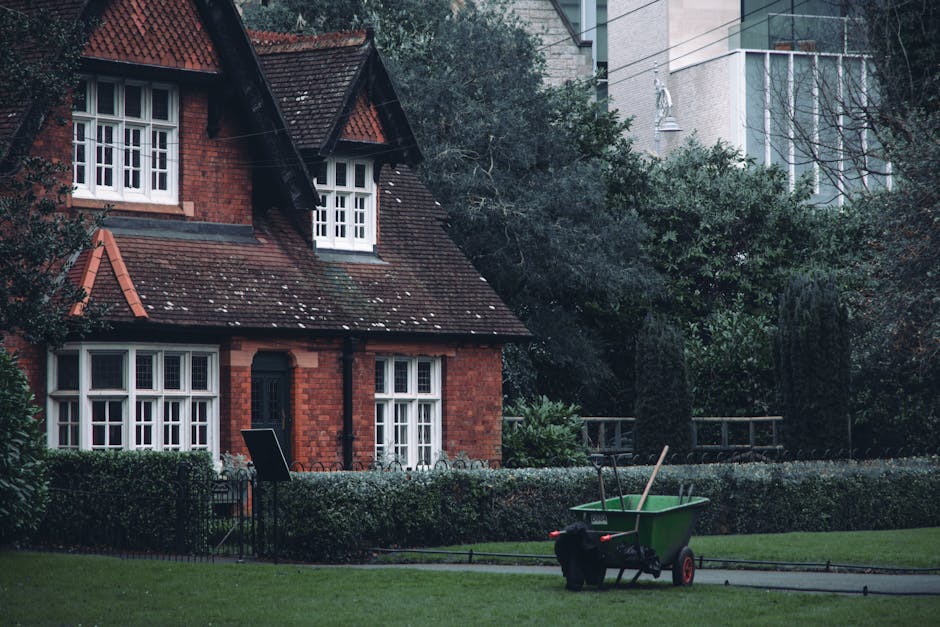
Gardeners for landlords Snaresbrook commercial grounds service: a practical guide for rental and commercial outdoor spaces
If you manage a rental property, a block with shared gardens, or a business premises with outdoor areas, you already know how quickly a neat space can slip into "needs attention" territory. One windy week, a bit of rain, and suddenly the front approach looks tired, the hedge is sprawling, and the lawn has turned patchy. That is where Gardeners for landlords Snaresbrook commercial grounds service becomes genuinely useful: it is not just about cutting grass, but about keeping outdoor areas presentable, safe, and easy to manage over time.
In Snaresbrook, where a tidy exterior often shapes the first impression before anyone even steps inside, a reliable grounds routine can reduce complaints, support tenant satisfaction, and protect the value of the property. This article breaks down how the service works, what it should include, how to compare options, and what landlords should watch out for. A lot of people think grounds care is simple until they inherit an overgrown border in November. Truth be told, that is when the small details matter most.
Why Gardeners for landlords Snaresbrook commercial grounds service Matters
Outdoor space on a rental or commercial property does more than sit there looking pleasant. It signals care. It affects how people feel when they arrive. It can even influence whether tenants renew, whether customers linger, and whether a site feels managed or neglected. For landlords especially, the garden or grounds are part of the asset, not a decorative extra.
Think about a terrace with an untidy hedge, weeds through the paving, and wet leaves building up near a side entrance. Nothing dramatic, but enough to make the place feel a bit worn. Now compare that with a well-kept frontage, defined edges, clean paths, and healthy planting. Same building, very different impression. That difference matters in Snaresbrook, where property presentation can carry a lot of weight.
A commercial grounds service also helps with the boring-but-important stuff: keeping access routes clear, spotting early plant problems, and stopping minor issues from becoming expensive ones. In our experience, landlords often save more by preventing deterioration than by trying to catch up later. It is not glamorous work, but it is steady, dependable, and quietly valuable.
For a wider overview of the kind of property care a professional team can cover, it can help to look at the full range of gardening services and how they fit together across a site.
How Gardeners for landlords Snaresbrook commercial grounds service Works
At a practical level, the service usually starts with a walkthrough. The gardener or grounds team looks at the site, notes the condition of lawns, hedges, beds, paths, fences, trees, and any problem areas such as drainage, shade, or invasive growth. That first assessment matters because commercial and rental gardens rarely fail in just one place. There is usually a pattern.
From there, the work is usually planned around frequency and priority. Some properties need weekly mowing and litter removal. Others need fortnightly edging, hedge care, and seasonal pruning. A larger grounds contract might include regular inspection, planned visits, and reactive callouts after storms or tenant turnover. The point is to keep the site predictable. No one wants to find the garden has become a project.
Services often include a mix of maintenance and improvement. For example:
- mowing and lawn care
- hedge trimming and shaping
- weed control in beds, borders, and paving
- patio and hard surface cleaning
- clearance of fallen leaves and green waste
- basic planting or replacement of tired shrubs
- tree work where appropriate
For a landlord, the advantage is consistency. For a commercial site, it is continuity. You do not need to chase five different trades for one outdoor area if the service is organised properly. That is why many property managers prefer an approach that combines routine garden maintenance with more targeted services like lawn mowing or lawn care.
Key Benefits and Practical Advantages
The main benefit is obvious: the property looks better. But that is only the surface. A well-run grounds service supports the whole operation around the building, and the practical wins stack up quickly.
1. Better first impressions. Tenants, customers, visitors, and even contractors tend to judge a site from the outside in. Clean edges, healthy planting, and a swept entrance make the place feel cared for.
2. Lower long-term repair pressure. Overgrown hedges, unchecked ivy, and blocked paths often create avoidable problems. Early intervention is cheaper than rescue work. Sometimes a lot cheaper.
3. Improved safety. Slippery patios, hidden trip hazards, and obstructed sightlines can all be reduced through regular maintenance. A tidy external area is usually a safer one.
4. Easier tenancy management. If the outside space is maintained professionally, landlords are less likely to field complaints about weeds, leaf litter, or neglected communal areas.
5. Stronger property value presentation. Whether you are letting, selling, or simply protecting the asset, outdoor presentation affects perceived value. It is part of the overall package.
6. Seasonal resilience. British weather loves a curveball. One week it is mild, the next it is all rain, wind, and soggy borders. A good grounds routine helps properties stay presentable through those swings, which is why some owners pair regular visits with advice from resources like building resilience in your garden against weather.
Expert summary: For landlords, commercial grounds care is not just maintenance; it is risk reduction, tenant experience, and asset protection rolled into one practical service.
Who This Is For and When It Makes Sense
This kind of service suits a broader group than people first assume. It is not limited to big commercial estates. In fact, many of the best-fit clients are managing spaces that are important but not large enough to justify an in-house grounds team.
It makes sense for:
- private landlords with one or more rental properties
- block managers dealing with communal outdoor areas
- small business owners with frontage planting or access routes
- retail units needing a clean and welcoming exterior
- care settings, offices, and professional premises with landscaped areas
- landlords preparing a property for new tenants between lets
It is especially useful if any of the following sound familiar: the grounds are hard to keep on top of, tenants keep reporting the same issues, the site looks worse after weekends or storms, or you simply do not have the time to coordinate multiple gardening jobs. If you have ever stood outside with a mug of tea thinking, "I'll deal with that hedge next week," and then next week became next month, you are not alone.
For landlords who want to improve the outdoor finish without overspending, it can also help to explore pricing and quote options before deciding how often the site really needs attention.
Step-by-Step Guidance
If you are setting up a new grounds service or reviewing an existing one, a simple framework helps. There is no magic trick here, just good process.
- Inspect the whole site. Walk the grounds and note everything: lawn condition, hedge height, weed pressure, drainage, surface cleanliness, trees, fences, and access points.
- Separate urgent from routine work. A blocked path, damaged branch, or unsafe overgrowth comes before decorative planting. The order matters.
- Set a maintenance frequency. Some tasks are weekly, some seasonal, and some reactive. A clear schedule avoids drift.
- Choose the right mix of services. Not every site needs everything. One property may need mowing, another hedge work, another tree pruning and border repair.
- Agree the expected standard. "Neat" means different things to different people. Be clear about the finish you want.
- Build in seasonal changes. Spring growth, summer weeds, autumn leaf fall, and winter weather all change the workload.
- Review after the first few visits. If a site keeps generating the same problem, adjust the plan rather than hoping it sorts itself out. It rarely does.
Where there are hard surfaces as well as planting, it can be sensible to combine outdoor upkeep with patio cleaning so the whole area feels cohesive rather than half-finished.
A good rule of thumb: if the grounds are so cluttered or uneven that people stop noticing the property itself, the maintenance plan needs tightening up.
Expert Tips for Better Results
Small decisions make a big difference in commercial and landlord garden care. The trick is to work with the site instead of constantly fighting it.
- Keep planting simple where possible. Complex beds often look great for a season, then become maintenance-heavy. Reliable structure beats novelty in many landlord settings.
- Use repeated forms. Similar hedge lines, repeated shrubs, or a consistent groundcover scheme can make a property feel orderly without much fuss.
- Prioritise the approach. The path from pavement to door usually matters more than the deepest corner of the garden. People see it first.
- Choose plants for the site, not the wish list. Shade, wind, and limited root space all shape what will thrive. A plant that looks gorgeous in a brochure can sulk badly in the wrong spot.
- Plan hedge and tree work before things overgrow. Once lines get sloppy, recovery takes longer and the finished look is harder to restore.
- Watch water movement. If an area stays soggy after rain, trimming alone will not solve it. Sometimes the issue is drainage, soil compaction, or poor layout.
For sites with hedging that frames a frontage or screens bins and boundaries, a focused service like hedge trimming in Snaresbrook can make an outsized difference to how the whole property reads from the street.
If you want ideas for plants that hold their shape well in tighter or less forgiving spaces, there is also some useful inspiration in ground cover options for UK gardens and hedge planting strategies.
Common Mistakes to Avoid
Most problems in landlord and commercial grounds care are not dramatic. They are gradual, and then suddenly obvious. That is the annoying bit.
- Waiting until everything is overgrown. Reactive work costs more and usually looks less polished.
- Under-specifying the job. If the service scope is vague, you may end up disappointed even when the contractor did exactly what was asked.
- Ignoring seasonal change. A winter plan should not look identical to a July plan. The site will not behave the same way.
- Focusing only on lawn cutting. Grass may be the most visible part, but hedges, weeds, hard surfaces, and trees all influence the result.
- Over-planting decorative species. Pretty can become high-maintenance very quickly.
- Forgetting access and safety details. Locked gates, parking restrictions, or tenant schedules can delay work if they are not planned for.
A surprisingly common issue is ivy. It looks harmless until it starts climbing, thickening, and creeping into awkward places. If that sounds familiar, the article on long-term ivy removal is worth a look. Another useful read for busy sites is weed control tips, because weeds, well... they are never quite as polite as you want them to be.
Tools, Resources and Recommendations
The right tools do not need to be fancy. They need to be dependable. For a landlord or commercial grounds programme, the most useful kit is usually the kit that saves time while keeping standards consistent.
Useful tools and materials often include:
- sharp hedge trimmers for clean shaping
- lawn mowers suited to the site size
- line trimmers for edges and awkward corners
- rakes, blowers, and sweeping tools for leaf clearance
- hand pruners and secateurs for detailed work
- mulch and soil improvers where planting needs support
- safe access equipment where trees or tall hedging are involved
For property managers who want to understand what a good gardening toolkit looks like, this guide to essential tools is a solid starting point. And if the site includes shrubs, seasonal colour, or planters, the article on orchids and decorative planting may help you think about presentation in a slightly more considered way.
Practical recommendation? Keep a simple site log. Nothing complicated. A few notes on what was done, what is recurring, and what needs attention next time. It saves arguments later, and it helps the grounds team spot patterns before they become headaches.
Law, Compliance, Standards, or Best Practice
For landlords and commercial property owners, outdoor maintenance is not just aesthetic. It intersects with safety, access, and duty of care. The exact obligations depend on the property type, location, and who uses the space, so it is wise to avoid over-claiming. Still, some general best practices are worth following.
Good practice usually includes:
- keeping walkways clear and reasonably free from trip hazards
- managing overgrowth that blocks entrances, visibility, or access routes
- making sure pruning and tree work is carried out safely
- using competent contractors for higher-risk tasks
- cooperating with any site-specific health and safety requirements
- keeping records of scheduled work where useful for management or dispute resolution
It is also sensible to check the provider's approach to safety, insurance, and working practices. A professional service should be comfortable discussing risk management and site access. If you want to see how a responsible operator frames this, you can read the pages on insurance and safety, the health and safety policy, and the terms and conditions.
For landlords handling contractors across multiple properties, clarity around data and payment also matters. It is sensible to review payment and security information and privacy details so expectations stay clean on both sides.
One more thing: if a provider is unwilling to talk through their process or complaints handling, that is a yellow flag. Maybe not a deal-breaker, but enough to ask more questions.
Options, Methods, or Comparison Table
Landlords usually have three broad ways to handle grounds care. Each has its place, and the best choice depends on site size, complexity, and how much hands-on management you want.
| Approach | Best for | Strengths | Limitations |
|---|---|---|---|
| Ad hoc callouts | Occasional tidy-ups or one-off issues | Flexible, lower commitment, useful for quick fixes | Can become inconsistent and harder to budget for |
| Scheduled maintenance visits | Most rental and commercial sites | Predictable, neat presentation, easier to manage long term | Needs a defined plan and regular review |
| Full grounds contract | Larger or busier sites with mixed outdoor needs | Integrated care, better continuity, less admin for the landlord | More detailed scope and usually a bigger commitment |
For many Snaresbrook landlords, scheduled maintenance is the sweet spot. It provides enough regularity to keep the site under control without locking you into a rigid arrangement that does not fit the property. But if the site includes mature trees, multiple access points, or mixed surfaces, a fuller service may be the more sensible route.
If landscaping changes are on the table, it can also help to compare against landscaping services, tree surgery, or fencing where boundaries, screening, or safety are part of the picture.
Case Study or Real-World Example
Here is a realistic example, based on the kind of issue landlords often face. A small portfolio property in Snaresbrook had a front garden that looked fine in spring, then got out of hand by late summer. The hedge pushed into the path, weeds moved through the gravel, and the lawn became thin where foot traffic had worn it down. Nothing catastrophic. Just enough to create repeated complaints and a slightly neglected feel.
The fix was not a massive redesign. It was a smarter routine. The grounds plan focused on:
- regular hedge trimming before it became unruly
- weekly or fortnightly mowing during active growth periods
- targeted weed control in the most visible areas
- light soil improvement and reseeding where turf had thinned
- clean-up of the hard surfaces so the whole frontage felt finished
Within a short period, the property looked more intentional. The landlord did not need a complete redesign, and the tenants got the feeling that someone was actually paying attention. That, more often than not, is what good grounds service does. It restores order. Quietly, but properly.
There was one slightly annoying ivy patch too, naturally, because gardens do enjoy testing your patience. That was dealt with separately using a proper removal strategy rather than a quick hack, which made the difference between "gone for now" and "kept coming back."
Practical Checklist
Use this checklist when reviewing or commissioning a garden or grounds service for a landlord or commercial property:
- Have you walked the full site and noted the main problem areas?
- Is the maintenance frequency realistic for the season?
- Are mowing, hedge care, weed control, and clean-up clearly defined?
- Do hard surfaces, entrances, and access routes get attention too?
- Are trees, fences, and boundary planting included where relevant?
- Has the contractor explained how they manage safety and access?
- Do you know what is included, and what counts as extra work?
- Is there a process for reporting issues between visits?
- Have you agreed how seasonal tasks will be handled?
- Will the service be documented so you can track what has been done?
If the answer to most of those is yes, you are in a much stronger position. If not, it may be worth tightening the brief before work starts. A little structure now saves a lot of back-and-forth later.
Get a free quote today and see how much you can save.
Conclusion
For landlords and commercial property owners in Snaresbrook, the right garden and grounds support is about far more than cosmetic tidy-ups. It keeps outdoor spaces safer, easier to manage, and more welcoming for everyone who uses the property. It also reduces the slow drift into neglect that can be surprisingly expensive to reverse.
The best results usually come from clear expectations, regular attention, and a maintenance plan that fits the site rather than fighting it. Keep the approach practical. Keep it consistent. And do not leave the outside until it is shouting for help, because by then the job is usually bigger than it needed to be.
When the grounds are looked after well, the whole property feels calmer, cleaner, and more credible. That is worth something, even before anyone notices the flowers.
Frequently Asked Questions
What does a commercial grounds service usually include for landlords?
It commonly includes mowing, hedge trimming, weed control, border care, leaf clearance, and tidying of access routes. Depending on the property, it may also include planting, patio cleaning, and light tree or boundary work.
How often should landlord garden maintenance be carried out?
That depends on growth rate, site size, and how visible the area is. Many properties benefit from weekly or fortnightly visits during the growing season, then lighter seasonal attention in autumn and winter.
Is commercial grounds care worth it for a small rental property?
Often, yes. Even a small frontage can shape first impressions and reduce tenant complaints. A simple, regular maintenance plan is usually easier and cheaper than reactive clean-ups.
What is the difference between garden maintenance and grounds maintenance?
Garden maintenance usually refers to planting areas, lawns, hedges, and borders. Grounds maintenance can be broader and may also include paths, entrances, boundary lines, and other external areas around the property.
Can a grounds service help between tenancies?
Yes. A pre-let tidy-up is a very common use case. It can make the property easier to market and helps the outdoor space look ready rather than forgotten.
Do landlords need to worry about safety in outdoor areas?
Yes, they should. Clear access routes, sensible pruning, and regular inspection all support safer use of the property. If a site has hazards, it is wise to deal with them promptly and keep records where helpful.
How do I know if the service is priced fairly?
Ask what is included, how often visits happen, what counts as extra work, and whether the quote reflects the size and complexity of the site. Transparent scope is usually more useful than chasing the lowest figure.
What should I do about overgrown hedges or ivy?
Do not leave them to become a larger problem. Hedges may need regular shaping to stay under control, and ivy often needs a proper removal strategy if it is spreading into unwanted areas.
Can the service include hard surfaces like patios and paths?
Often it can. Many landlords benefit from including patio cleaning or sweeping because it improves both appearance and safety. Hard surfaces are easy to overlook, which is exactly why they end up looking grubby.
Should I choose one-off visits or a scheduled contract?
For most landlords and commercial sites, scheduled maintenance is the more reliable choice. One-off visits can be useful for specific problems, but regular care usually gives a better long-term result.
What if I manage several properties in the same area?
That is where a consistent grounds plan really helps. You can standardise the level of care, compare issues more easily, and avoid making decisions from scratch every time a site needs attention.
How do I get started with a grounds service in Snaresbrook?
Start with a site review, decide what matters most, and request a clear quote based on the actual condition of the grounds. If you want to speak to the team directly, visit the contact page and outline what kind of property you manage.
What if my site needs more than gardening?
Some properties need a broader external package. In that case, it can help to look at gardening services, landscaping, or related support like fencing and tree work, depending on what the site actually needs.
How do I keep the property looking good year-round?
Use a seasonal approach. Spring and summer usually need more frequent visits, autumn needs leaf and border control, and winter is often about protection, inspection, and keeping everything tidy enough to restart well in the new year. Small, steady care wins most of the time.
If you want the outside of your property to feel properly looked after, not just occasionally tidied, the next step is simple: put a plan in place and keep it realistic. That is usually where the real value begins.